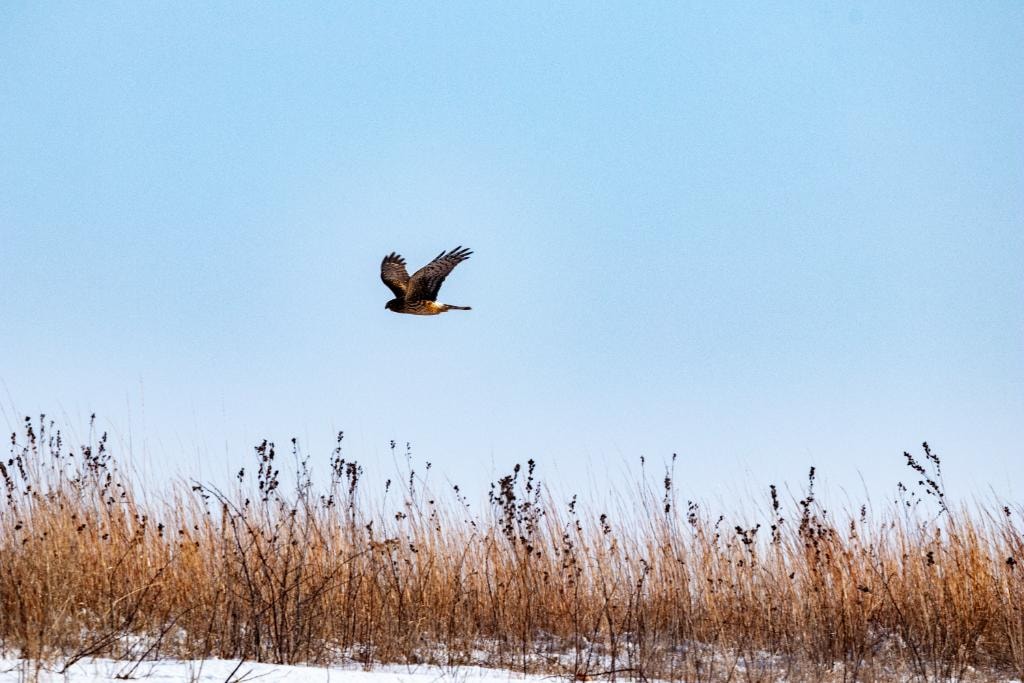
Hawk in flight over snowy dune grassland at Illinois Beach State Park
Birdwatching

From the Hawk Watch to the Gull Frolic: Birding in Winthrop Harbor

Where Lake Michigan's flyway meets the shore

At Illinois' far northeast corner, Winthrop Harbor sits on one of the richest migratory bird corridors in the Midwest — a place where dunes, marsh, oak woods, and open water draw birders from across the region all year long. More than 300 species have been recorded in the area, across four distinct birding seasons and two signature events: the autumn Hawk Watch and the winter Gull Frolic.

Birders have a saying about northeastern Illinois: the birds follow the water. Winthrop Harbor sits exactly where they want to be — along the Lake Michigan shoreline at the Wisconsin state line, where North Point Marina, the Spring Bluff preserve, and the vast dune-and-swale landscape of Illinois Beach State Park form a continuous ribbon of habitat. Few places in the state pack this much variety into so small an area.

Whether you're a serious lister chasing a rare gull in January or a family hoping to see hawks ride the thermals on a crisp September afternoon, the harbor is an easy, welcoming home base. Here's what makes the area special, where to point your binoculars, and the trusted resources that local birders rely on.

Why Birders Come Here

Illinois sits along a major North American migration route, and the Lake Michigan shoreline acts like a highway guardrail — funneling huge numbers of migrating hawks, songbirds, shorebirds, and waterfowl right past Winthrop Harbor each spring and fall. The lake itself stays open through winter, drawing rafts of diving ducks and gulls when most inland water has frozen.

The other draw is diversity of habitat. In the span of a short walk you can move from Lake Michigan beach to dunes, marsh, swale wetlands, and oak woodland. That mix supports breeding birds that are genuinely hard to find anywhere else in Lake County or northern Illinois — from Yellow-throated Warbler and Brewer's Blackbird to grassland specialists like Grasshopper Sparrow and Dickcissel.
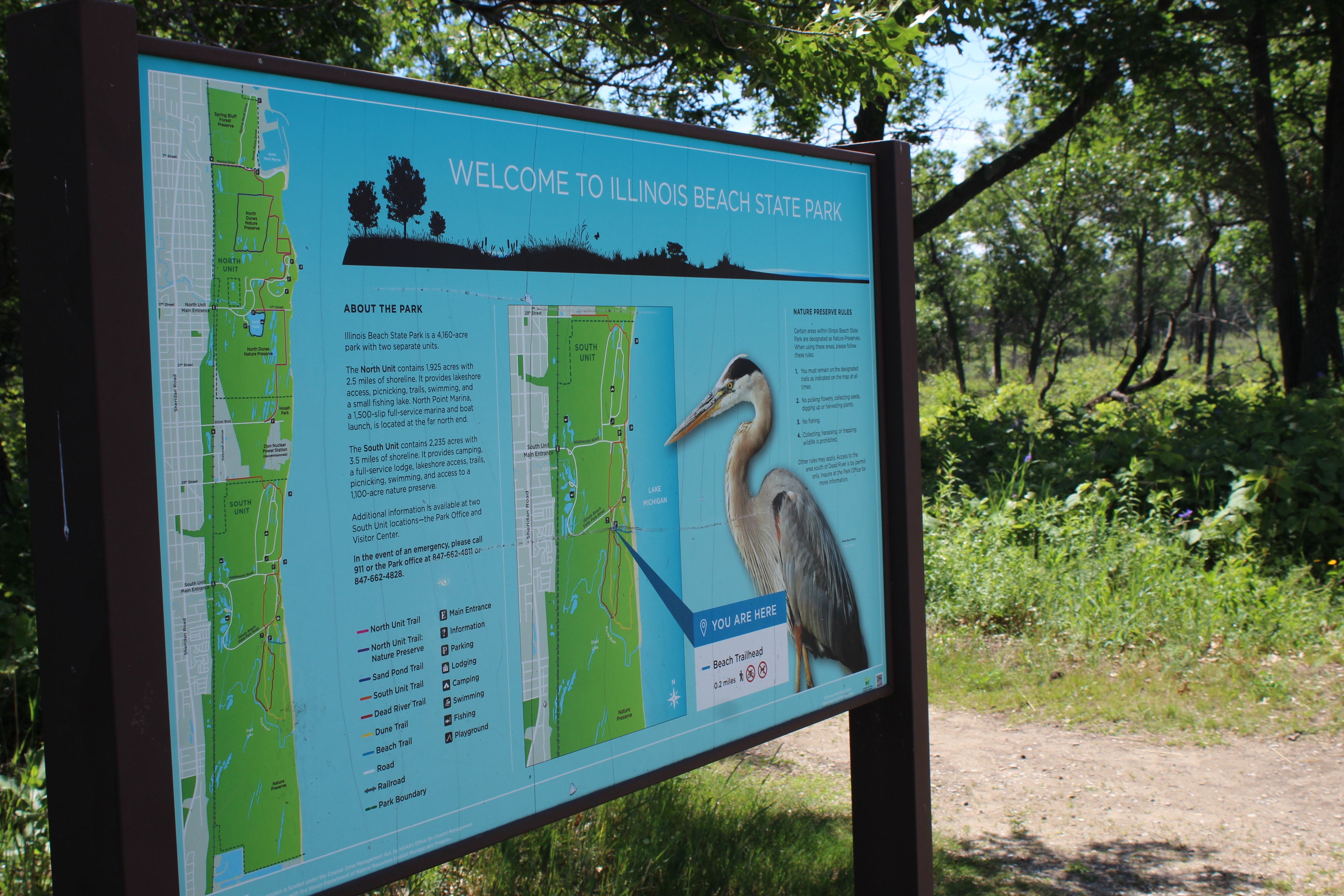
Welcome to Illinois Beach State Park sign with trail map and great blue heron

Illinois Beach State Park — North & South
Birdwatcher with binoculars watching hawks migrate over Lake Michigan

Illinois Beach State Park is one of the premier birding destinations in the Midwest and a designated Important Bird Area. Nearly 300 species have been recorded across its two units, drawn by an unusual concentration of habitat: 14 distinct natural community types packed into 6.5 miles of Lake Michigan shoreline, including dunes, swales, marsh, black oak savanna, prairie, and open beach. That diversity, combined with the park's position on the Lake Michigan migration corridor, produces breeding specialties and migrants that are hard to find anywhere else in Lake County. Much of the shoreline is also federally protected critical habitat for the endangered Great Lakes Piping Plover.


The Hawk Watch

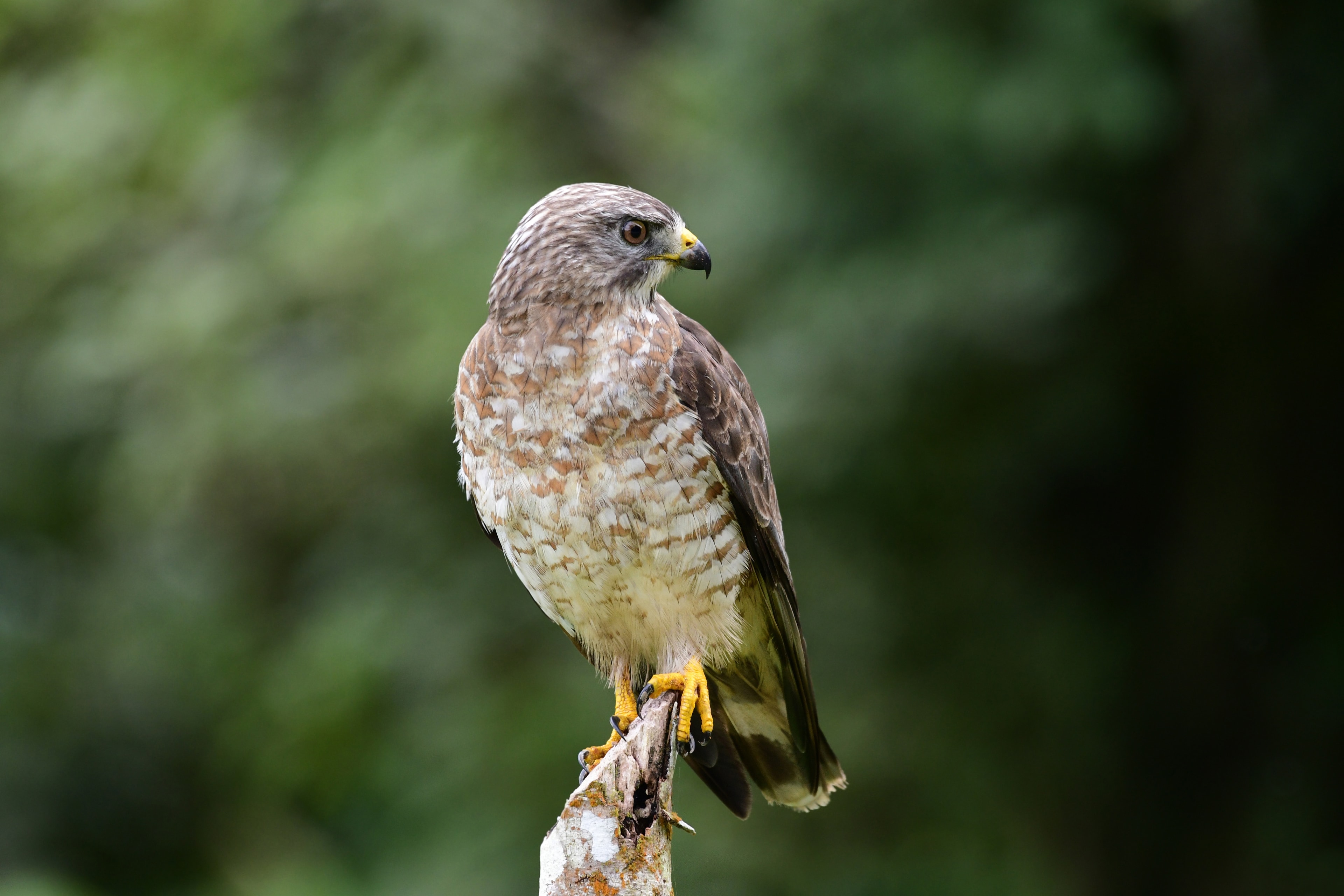
The park's signature birding event is the Illinois Beach State Park Hawk Watch, conducted from the pavilion just east of Sand Lake in the North Unit. Volunteers identify and count southbound migrating raptors and turkey vultures each year from the last weekend of August through the end of November. It is a nationally recognized count, and the volunteers welcome visitors and extra help with recording. Bring warm clothes if you plan to stay a while, since the lakefront gets cold and exposed in late fall.

North Unit Birding

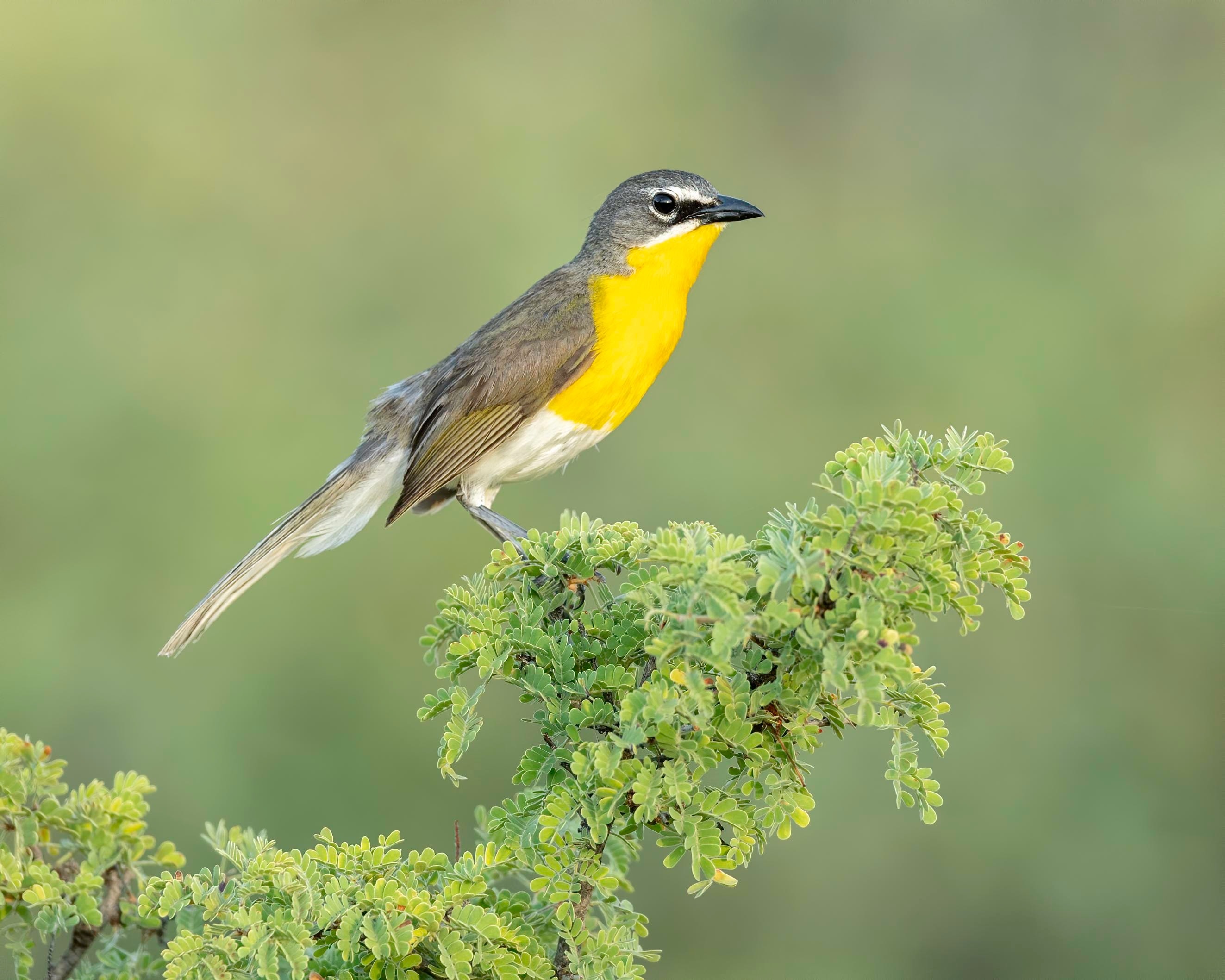
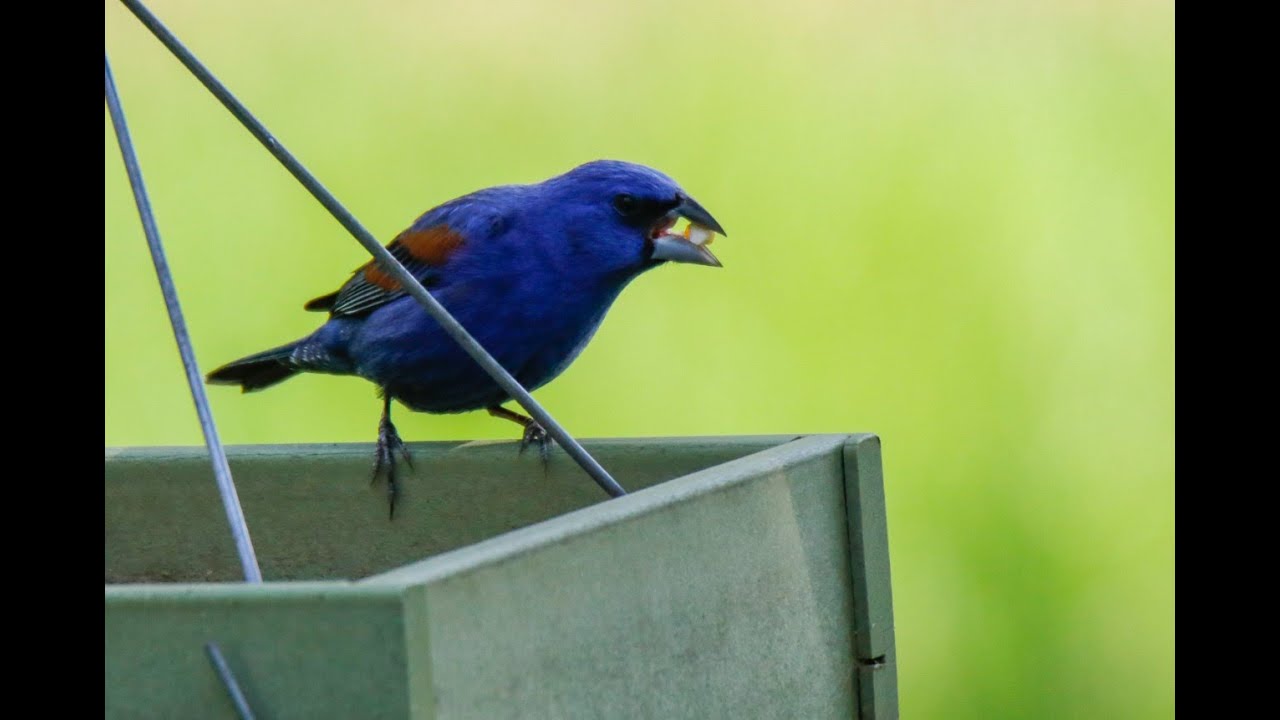
The North Unit centers on Sand Lake, reached from Sheridan Road and 17th Street in Zion. In spring and summer, the lake area can produce migrating warblers such as Blackburnian and Canada, along with breeding Yellow-breasted Chat and American Redstart. The Sand Lake area has even hosted Blue Grosbeak, including a pair that bred here in 2009 — among the northernmost breeding records for the species in Illinois. As the habitat opens into scattered trees and grassland, watch for grassland species in the warmer months, with the occasional rarity such as Prairie Warbler. Bank Swallows nest in the dunes and can be seen on wires near the lake. In winter, the North Unit is one of the most reliable places in the county for Northern Shrike, along with Northern Harrier and American Tree Sparrow, and the lake should be scanned for migrating waterfowl such as Red-throated Loon and the beach for rare gulls. The far northern tip of the unit, accessed from 7th Street in Winthrop Harbor, connects directly to North Point Marina and Spring Bluff Forest Preserve.

South Unit Birding

Scenic overlook with binoculars and green forest vista at Illinois Beach State Park

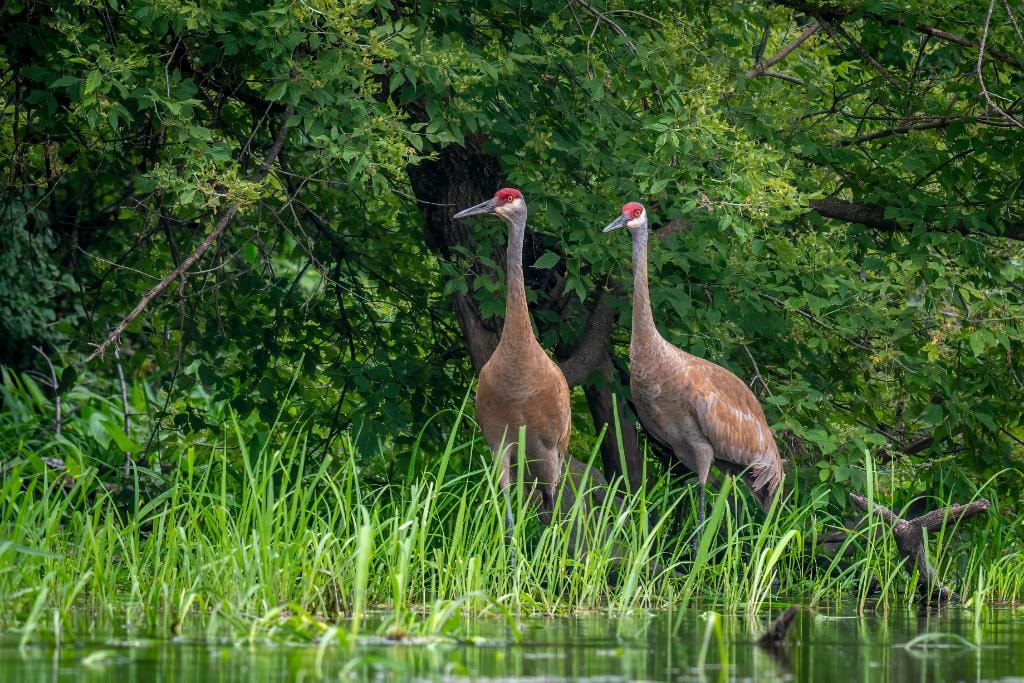
The South Unit, with its nature center and trail network in Zion, has some of the most diverse habitat in Lake County, and it shines in migration. The Dead River Trail is especially productive during spring passerine migration, when warblers, thrushes, vireos, and flycatchers concentrate in the woods, particularly on a spring morning after a front with north winds. The trail runs between open marsh on the west and black oak forest on the east, with breeding Willow Flycatcher in the wetter areas. Depending on water level, the Dead River and its mouth at the beach can be excellent for migrating shorebirds, including Solitary Sandpiper and Red Knot, with close looks at Sandhill Cranes and the possibility of a Piping Plover. The dune trail, running parallel to the lake, holds Grasshopper and Field Sparrows in the dune grasses in spring and summer, with breeding Brewer's Blackbird near the Dead River mouth, an uncommon nester in the county. In winter, the dunes can produce Northern Shrike, Snow Bunting, and even a Snowy Owl, while the lake fills with rafts of scaup and other waterfowl such as Black Scoter and Long-tailed Duck. The South Unit has also delivered true spectacles, including more than 200 breeding-plumaged Horned Grebes along the shoreline on a single April day in 2007.

Notable Breeders

Red-headed Woodpecker — one of Illinois Beach State Park's notable breeding species

Within the park, the breeding lineup includes several species that are scarce elsewhere in northeastern Illinois: Eastern Whip-poor-will, Red-headed Woodpecker, Willow Flycatcher, Marsh Wren, Yellow-breasted Chat, Grasshopper Sparrow, and Brewer's Blackbird. The campground is the only place Yellow-throated Warbler is known to nest in Lake County, and one of the few in the region. What makes this concentration possible is the park's unusual patchwork of habitats packed into a small footprint — open dune and swale, oak savanna, sedge meadow, marsh, and Lake Michigan beach all sit within walking distance of one another, and each draws a different set of nesters. Late May through June is the time to catch them, when singing males are easiest to find at dawn along the trails and campground edges. Birders who time it right can tally many of these specialties in a single morning, which is a large part of why Illinois Beach is considered one of the premier birding destinations in the state.

Winter on the Water

Winter shifts the focus to Lake Michigan and the harbors. The lake gathers rafts of diving ducks, loons, grebes, and gulls, and the adjacent North Point Marina hosts the annual Illinois Ornithological Society Gull Frolic, which draws birders from across the region in search of winter gull rarities.

Birding by Bike

A pea gravel trail runs roughly eight miles between the South Unit nature center and the North Unit marina, making it possible to bird the full sweep of the park by bicycle, with lake breezes, dune views, and access to a remarkable run of habitat in a single ride.

Plan Your Visit

The park is generally open daily from 8 a.m. to sunset, with no entrance fee. The South Unit nature center is the best starting point for first-time visitors, with trail maps and access to all the major habitats. Bring binoculars or a spotting scope, especially for winter waterfowl and the hawk watch, and dress for open, exposed shoreline conditions year round. Early morning is best in the warmer months. For Winthrop Harbor visitors, Illinois Beach pairs naturally with Spring Bluff Forest Preserve and North Point Marina to form one of the finest stretches of birding on the Illinois lakefront.

Spring Bluff Forest Preserve

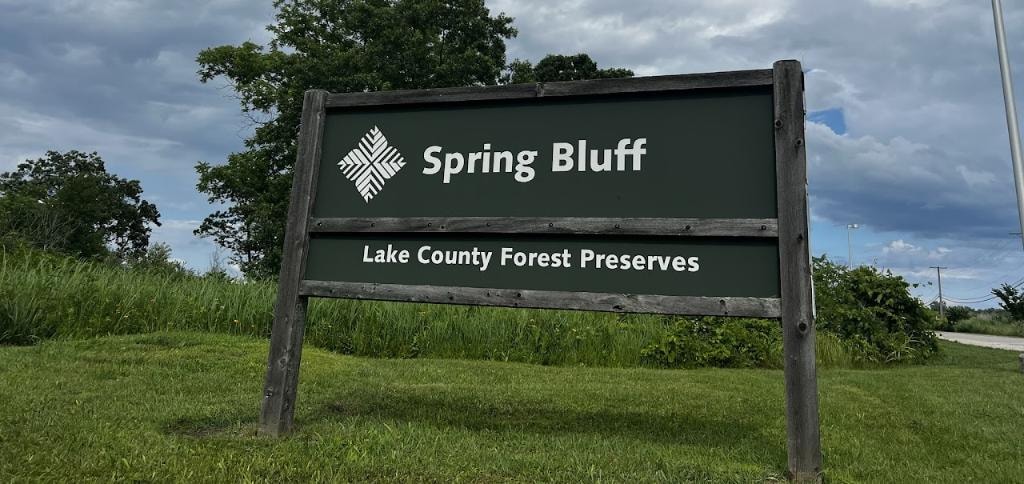
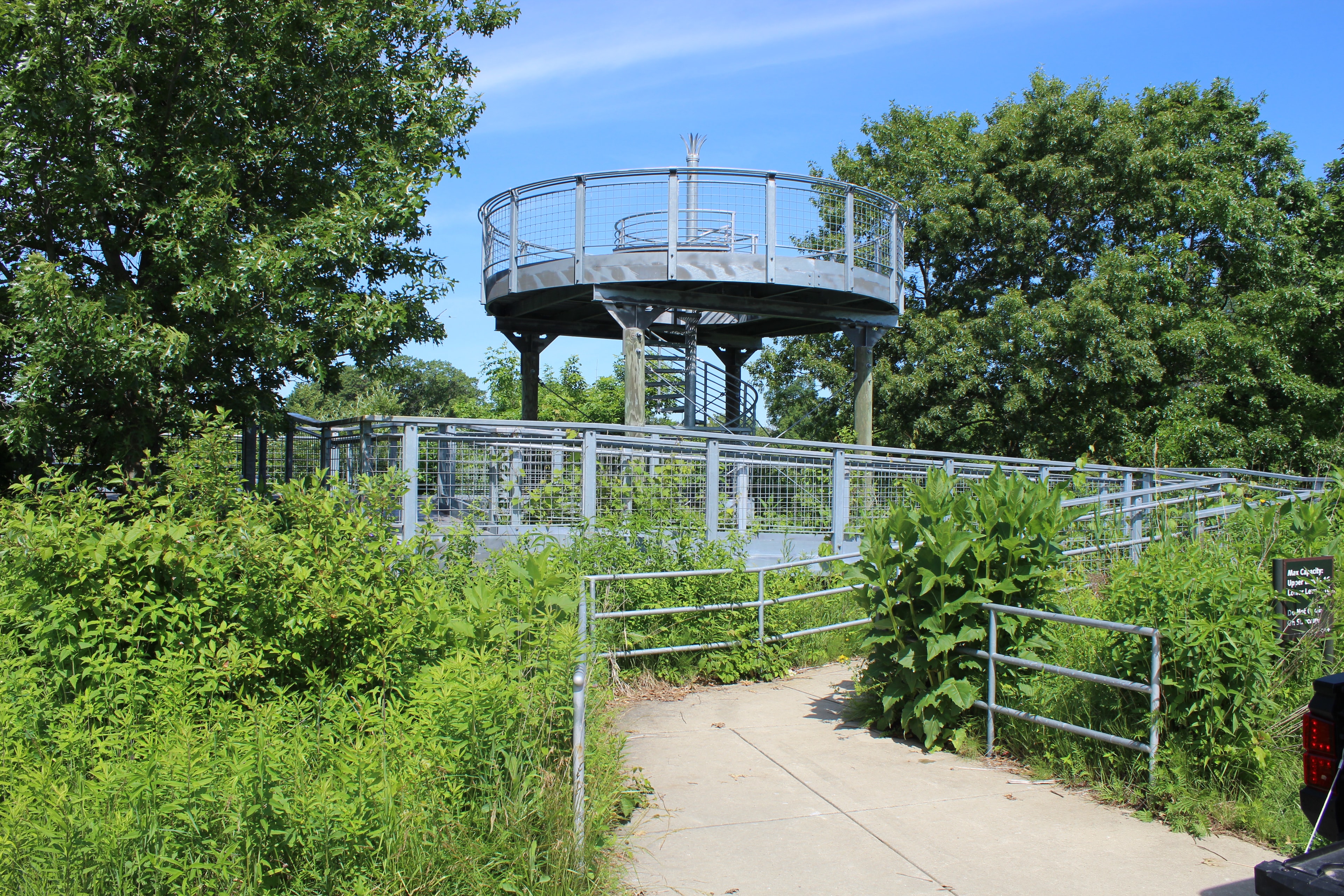
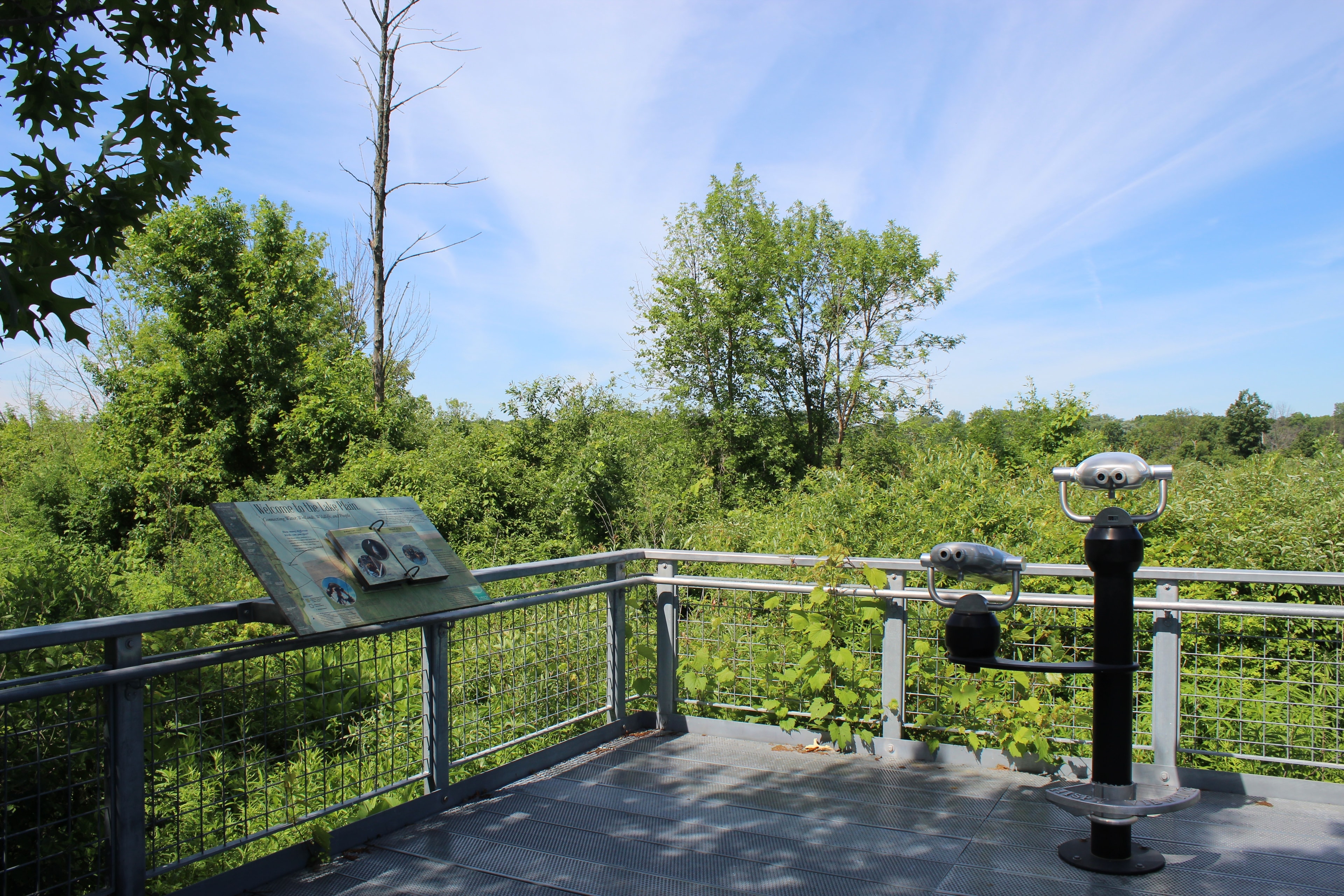
Spring Bluff Lake County Forest Preserves sign in a natural outdoor settingObservation deck with coin-operated binoculars overlooking the Spring Bluff wetland preserveScenic overlook with binoculars and green forest vista at Spring Bluff Forest Preserve

Tucked along the Lake Michigan shoreline in Winthrop Harbor, Spring Bluff Forest Preserve is one of the finest birding destinations in Lake County. Its 229 acres protect a rare mosaic of wetland, sand prairie, oak savanna, and marsh, and that variety of habitat in a small footprint is exactly what makes it so productive for birders. The preserve has recorded 114 bird species and supports nine endangered plant and animal species, and it sits within the Chiwaukee Prairie Illinois Beach Lake Plain, a wetland of international importance recognized on the Ramsar List in 2015.

What sets Spring Bluff apart is its position on the Lake Michigan shoreline corridor. Migrating birds funnel along the lake's edge in spring and fall, and the preserve's observation deck offers a 360-degree vantage over the landscape, the lake, and the natural areas that adjoin it. For birders, that means you can scan grassland, wetland, and open water from a single high point.

Winter

Winter is one of the best times to visit, and the action centers on the open water at the adjacent North Point Marina. This stretch of shoreline is a premier spot for waterfowl and gulls. Birders regularly find common goldeneye, bufflehead, and red-breasted merganser bobbing offshore, along with large gatherings of gulls. Less common but possible are northern shrike, scoter, and the occasional cackling goose mixed into the Canada goose flocks. Hardcore birders watch the State Line beach for rarities such as harlequin and long-tailed ducks. Each winter the marina hosts the Gull Frolic, an event that draws gull enthusiasts from across the Midwest.

Spring

Spring migration brings songbirds, sparrows, and shorebirds moving north along the shoreline. The grasslands and savanna come alive with returning breeders, and the wetlands begin to fill with herons and rails. This is also the season when the preserve's restored prairie shows off, with early sparrows and warblers working the edges of the trail.

Summer and Breeding Season

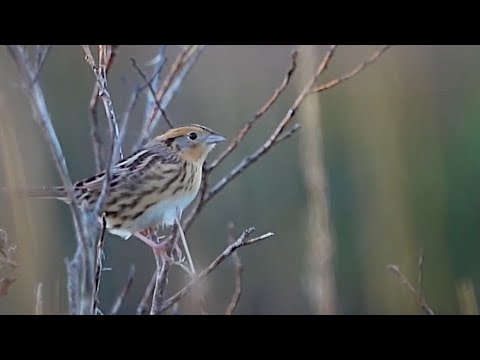
By summer, Spring Bluff hosts a notable lineup of breeding grassland and marsh birds, several of them species of conservation concern. Look and listen for Henslow's sparrow, sedge wren, bobolink, dickcissel, and the occasional yellow-breasted chat in the shrubby grassland. In the marshes, king and Virginia rails, least and American bitterns, and common snipe nest in the wet meadows, while herons stalk the shallows. Upland sandpiper has also been recorded here. These are birds that have become hard to find across much of Illinois, which makes the preserve's restored habitat especially valuable.

Fall

Fall reverses the spring movement, with raptors, shorebirds, and songbirds streaming south along the lake. Migrating peregrine falcons follow the shoreline corridor, and the open water at the marina begins to refill with the waterfowl that will stay through winter. Late fall is a good time to catch the transition as summer breeders give way to wintering species.

Where to Look

The observation deck is the natural first stop for a wide scan of the preserve and the lake. From there, the 0.7-mile trail runs the length of the preserve and lets you work the grassland and wetland edges on foot. For waterfowl and gulls, walk or drive the short distance to the North Point Marina shoreline and the State Line beach, where the open water of Lake Michigan opens up. Spring Bluff connects to Illinois Beach State Park by way of the 7th Street bike lanes, so dedicated birders can easily combine the two in a single morning.

Plan Your Visit

Spring Bluff is open daily from 6:30 am to sunset with no entrance fee. The entrance is on 7th Street just east of Sheridan Road, with parking in the lot at the entrance to North Point Marina. Bring binoculars or a spotting scope, especially for winter waterfowl, and dress for open, exposed shoreline conditions. The preserve is listed as an eBird hotspot — checking recent sightings before you go is a good way to know what is being seen. Early morning offers the best activity in the warmer months, while midday can be productive in winter when the light is up on the water.

Spring Bluff is part of what makes Winthrop Harbor a quiet standout for anyone who loves the outdoors. Pair a morning of birding with a walk at Illinois Beach State Park or a stop at North Point Marina, and you have a full day on one of the most ecologically significant stretches of the Lake Michigan shore.

The Gull Frolic at North Point Marina

Each winter, the Illinois Ornithological Society hosts the Gull Frolic at the Winthrop Harbor Yacht Club — billed as Illinois' premier gull-watching gathering. Birders from across the state set up scopes along the shore to study hard-to-find winter gulls like Iceland, Glaucous, Great Black-backed, and Lesser Black-backed, with diving ducks and the occasional owl or winter finch in the mix.

Volunteers in bright orange hats help newcomers, and the warm yacht club is steps away when the lake wind bites. It's a one-of-a-kind day, and registration fills fast — check the Illinois Ornithological Society for the next event date and sign-up.

Illinois Ornithological Society — Gull Frolic Info →
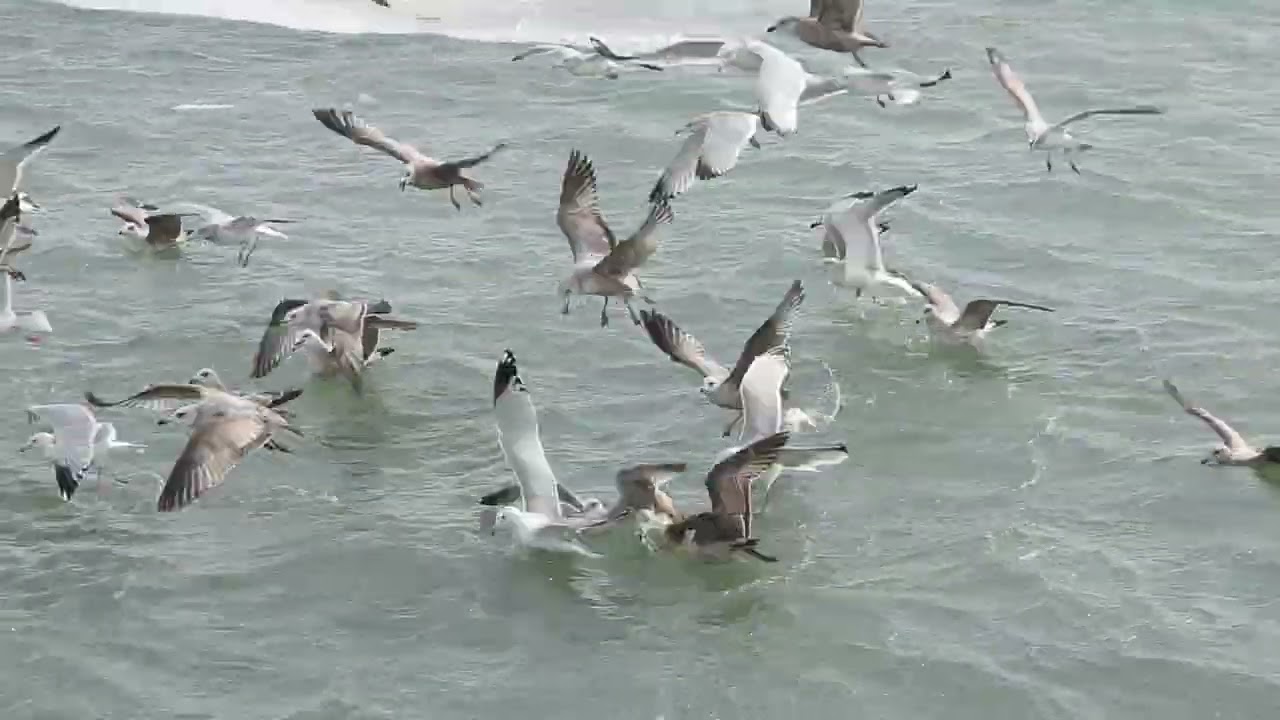
The Gull Frolic at North Point Marina — watch on YouTube
Watch on YouTube

Video credit: Haley Gattardo

Birding by Season

There's no off-season here, only different birds to look for.

SpringMarch – May

Warblers and songbirds pour through the park's woods and dunes, while shorebirds work the beach and ducks gather offshore — one of the most productive stretches of the year.

SummerJune – August

Local specialties settle in to nest — Grasshopper Sparrow, Brewer's Blackbird, Yellow-throated Warbler, and Blue Grosbeak. Listen at dusk for Whip-poor-wills and nighthawks.

FallLate August – November

The marquee season. Thousands of Broad-winged Hawks, plus falcons, eagles, and harriers stream down the shoreline, with songbird migration peaking alongside the raptors.

WinterDecember – February

The open lake draws rare gulls, scoters, and diving ducks to North Point Marina — home of the Gull Frolic. Watch the dunes for Northern Shrike, Snow Bunting, and the occasional Snowy Owl.
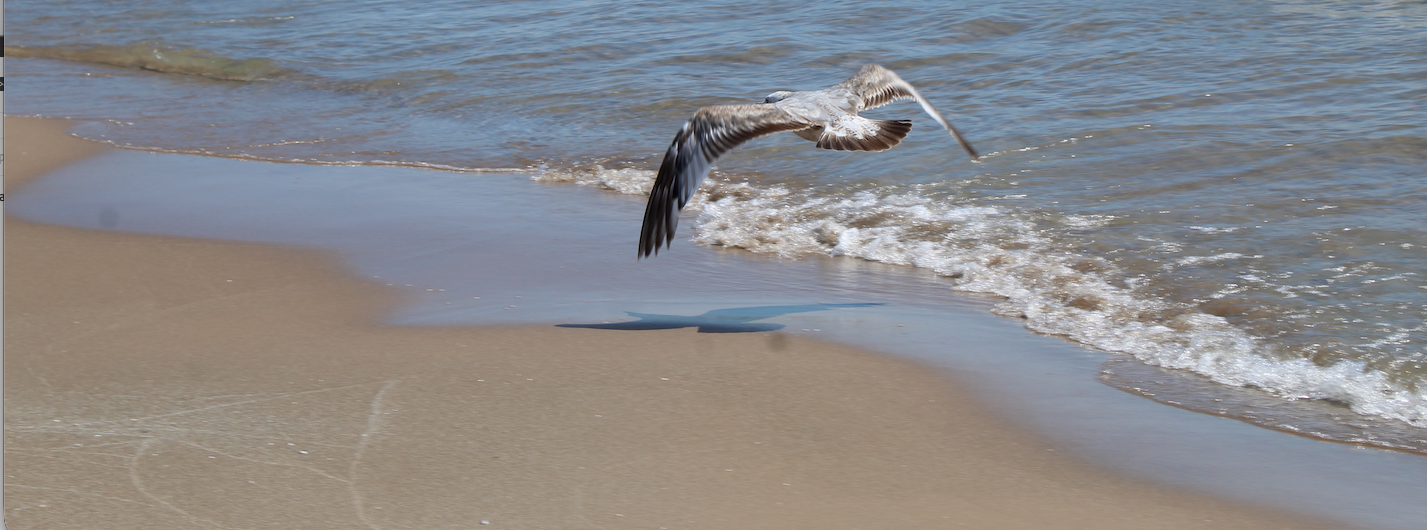
Sand dunes and Lake Michigan shoreline at Illinois Beach State Park nature preserve

Tips for Your Trip

Hours

Illinois Beach State Park is generally open daily, with daylight hours best for birding. Gates close in the evening, so plan around them.

What to Bring

Binoculars are essential; a spotting scope helps enormously for gulls and waterfowl over the lake. Dress in layers — the shoreline wind is real, especially in winter.

Go With Locals

Lake-Cook Audubon and the Illinois Ornithological Society run guided walks and field trips throughout the year — a great way for newcomers to learn the hotspots.

Be a Good Guest

Stay on trails, give nesting and resting birds plenty of space, and follow posted rules in sensitive dune and shoreline areas.

Make a Weekend of It

Base yourself in Winthrop Harbor, walk the marina at first light, and you're minutes from the park's trails, the hawk watch, and the lakefront.

Trusted Birding Resources & Guides

These are the sites local birders turn to for site guides, species lists, event dates, and real-time sightings around Winthrop Harbor and Illinois Beach State Park.

Illinois Ornithological Society

Host of the Gull Frolic at North Point Marina, plus statewide records, field notes, and event calendars. First stop for the next Gull Frolic date and registration.

Visit illinoisbirds.org
Lake-Cook Audubon — IBSP North Unit & Hawk Watch

A detailed site guide to the North Unit, Sand Lake, and the autumn hawk watch.

Visit lakecookaudubon.org
Lake-Cook Audubon — IBSP South Unit

The companion guide to the South Unit's marsh, dune, and woodland trails.

Visit lakecookaudubon.org
Lake-Cook Audubon — Guided Field Trips

Free, beginner-friendly bird walks at Illinois Beach State Park and other Lake County preserves.

Visit lakecookaudubon.org
Visit Lake County — Bird Watching Sites

An overview of the county's top birding destinations, including North Point Marina and Spring Bluff, with a hotspot map.

Visit visitlakecounty.org
eBird Hotspots

Real-time sightings and full species checklists; search "Illinois Beach State Park" or "North Point Marina."

Visit ebird.org
Audubon — Birding in Illinois

A statewide overview that highlights the Illinois Beach State Park hawk watch.

Visit audubon.org
Illinois DNR — Illinois Beach State Park

The official source for park hours, trail maps, the nature center, and current conditions.

Visit dnr.illinois.gov

Birding conditions, species, hours, and event dates change seasonally — please confirm current details with the organizations and park sources linked above before planning your visit.