
Lake Michigan is one of the most beautiful places in the Midwest — and a powerful, ever-changing body of water that deserves respect. A little preparation goes a long way.
Know Before You Go: Check the Forecast
The single best safety habit is to check conditions before you leave home. The National Weather Service issues a daily Great Lakes Beach Forecast covering high waves and swim risk for the next 12 hours, and it issues Beach Hazard Statements when a high swim risk is expected. On days when the forecast calls for dangerous waves or currents, it is often safest to stay out of the water and enjoy the beach from the sand.
Water Quality and Beach Advisories
Beyond waves and currents, water quality matters too. The Lake County Health Department actively monitors our beaches throughout the swim season. From Memorial Day through Labor Day, the Health Department collects water samples from Lake Michigan beaches four days a week and tests them for E. coli bacteria. When a sample comes back high — at 235 E. coli per 100 ml — the beach's management body is notified and a closure sign is posted.
Because rain tends to raise bacteria levels in the water, it is best to avoid swimming after a large rain event. The Health Department updates its advisory map Monday through Friday by 10 a.m.
Understand Dangerous Currents
The Great Lakes do not have tides, but they absolutely have strong, dangerous currents. Swimmers most commonly encounter five types: rip currents, structural currents, channel currents, longshore currents, and outlet currents.
Structural currents form alongside piers and breakwalls, where the water moves with surprising force. The rule is simple: steer clear of the pier, and swim at least 100 yards away from any structure. Outlet currents form where rivers and streams empty into the lake — swim well away from those outlets.
If you ever get caught in a current, remember: Flip, Float, and Follow. Flip onto your back, float to stay calm and conserve energy, and follow the current or the safest path back to shore rather than fighting it. Even an Olympic swimmer cannot out-swim a dangerous current.
Respect the Waves and the Cold
Lake Michigan's waves can be deceptively dangerous. Most current-related drownings and rescues happen when waves are three feet or higher, and Great Lakes waves come in fast, close succession that wears swimmers down quickly. Stay dry when waves are high.
Temperature is another hidden hazard, especially in spring and early summer. Even when the air is warm, Great Lakes water can sit in the 40s and 50s — cold enough to cause hypothermia within an hour. A sudden fall or jump into cold water can trigger cold water shock, and wearing a life jacket significantly improves your chances of survival.
Life Jackets and Smart Swimming
Our state park beaches are stunning, but like most Great Lakes beaches, they do not have lifeguards — so you should never swim alone and should always supervise children closely.
Wear a U.S. Coast Guard-approved life jacket, especially for children and inexperienced swimmers. Don't just bring it — wear it. Designate a "water watcher," an adult whose only job is to keep eyes on swimmers, because drowning is silent and fast. When conditions look questionable, follow the time-tested rule: when in doubt, don't go out.
Boating and Charter Safety
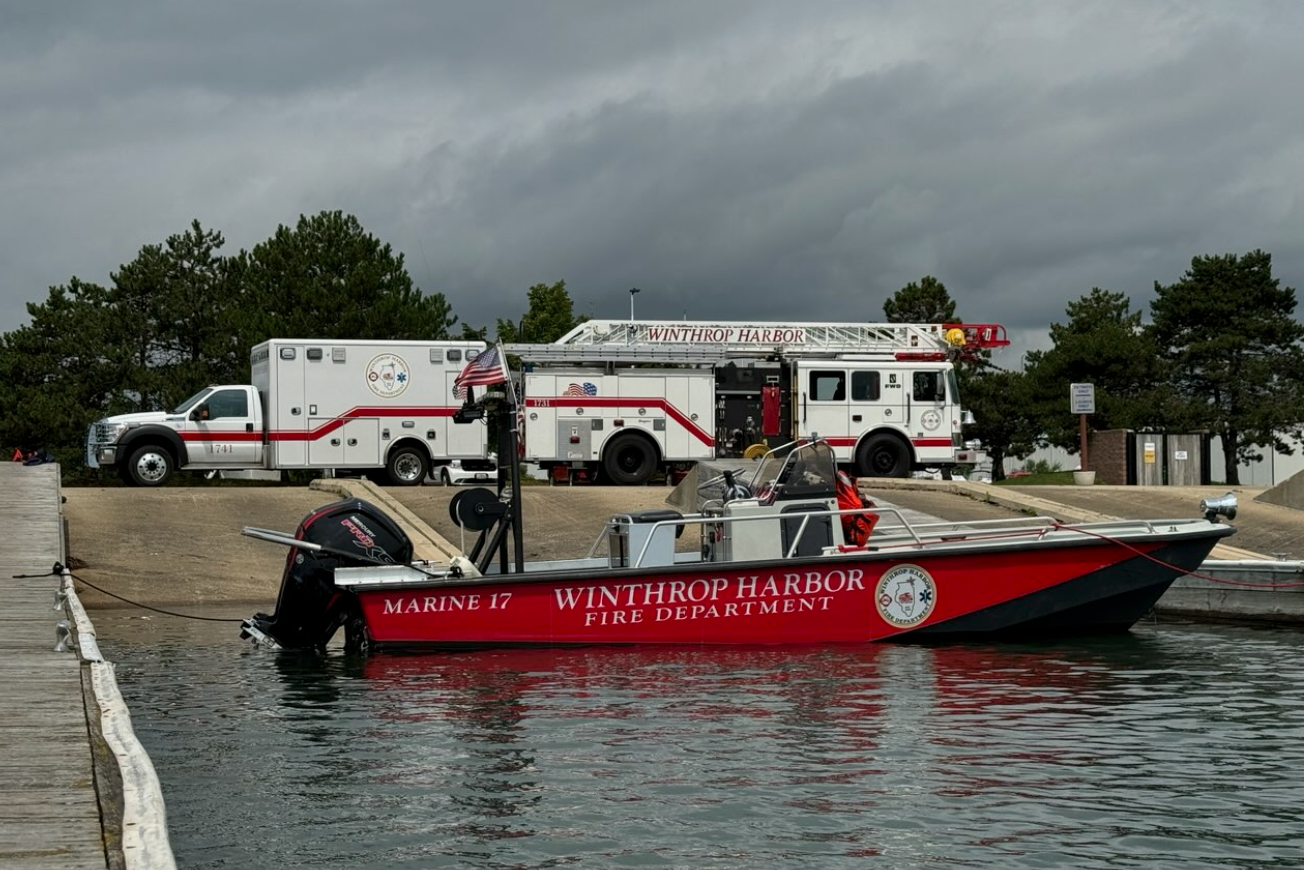
For those launching from North Point Marina or heading out on a charter, the same respect for the lake applies. Check the marine forecast before you go, make sure you have enough Coast Guard-approved life jackets for everyone aboard, and keep an eye on changing wind and wave conditions, which can build quickly on open water.
In an Emergency
If you or someone near you is in trouble in the water, call 911 immediately. Yell for help early — the closer a person gets to drowning the harder it becomes for them to call out. If you see someone struggling, do not jump in after them, especially near a pier. Instead, throw them something that floats — a life ring or flotation cushion — and direct them to flip, float, and follow.
If You Get Caught in a Current
Roll onto your back immediately to keep your airway clear and conserve energy.
Stay calm. Float to rest and avoid panic. Fighting the water exhausts you fast.
Follow the current or the safest path back to shore. Never fight directly against it.
Even an Olympic swimmer cannot out-swim a dangerous current. The goal is never to fight the water.
Quick Resource List
Emergencies: Call 911 immediately
The lake gives us so much. With a little awareness and a few simple precautions, you and your family can enjoy our beaches, our marina, and our shoreline safely all season long.